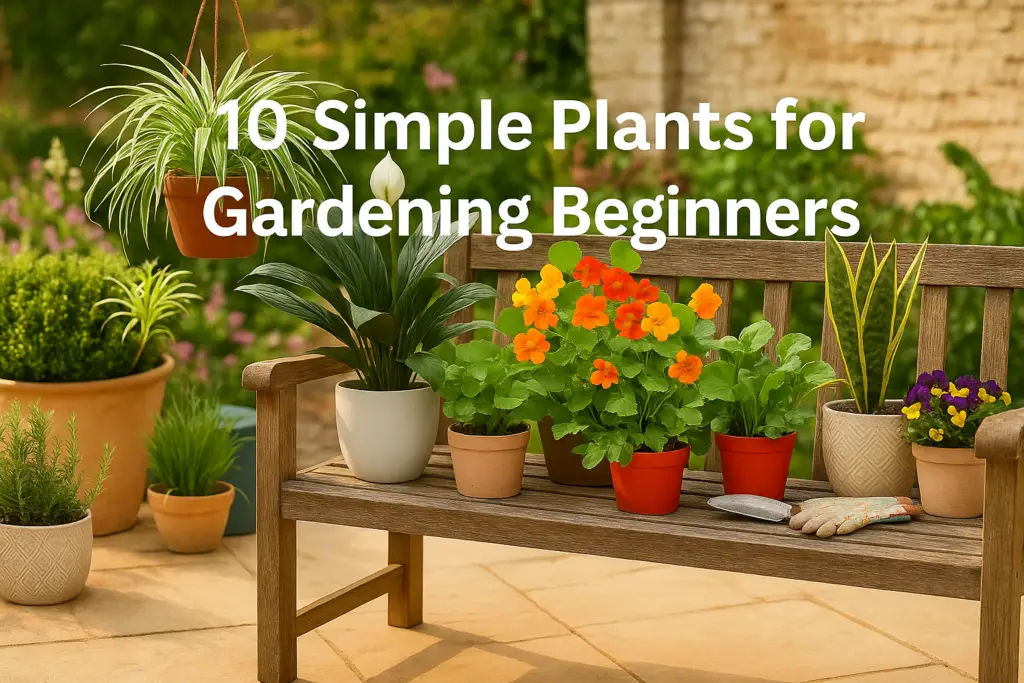
Getting started with gardening can feel a bit daunting at first, especially if you’ve never picked up a trowel before. The good news is that it’s much simpler than it might seem, and you don’t need to be an expert to grow beautiful plants. Whether you’ve got a sunny garden, a shaded corner or just a few pots on a balcony, there’s a plant out there that will thrive in your space.
The key to starting your gardening journey is to choose plants that suit your lifestyle and the environment you have to offer. Some plants are incredibly forgiving, making them perfect for beginners. You don’t need a greenhouse or a massive plot of land to start; even a windowsill can become your first green space.
Gardening offers so many benefits. It’s not just about making your surroundings look lovely; there’s also a genuine sense of achievement when you see something you’ve planted start to grow. Plus, spending time around plants is great for your mental wellbeing. Even just a few minutes tending to them can be a relaxing way to take a break from the hustle of daily life.
When starting out, it’s best to keep things simple. You’ll want plants that don’t need too much attention and are more likely to flourish even if you’re still learning. Some thrive in containers, which is especially handy if you’ve got limited space, while others grow happily straight in the soil. Either way, starting with easy-to-care-for plants helps build your confidence as a new gardener.
Another tip for beginners is to think about how much sunlight your space gets during the day. Different plants have different light needs, so understanding your space will help you make the best choices. Similarly, having the right tools doesn’t need to be expensive or complicated. A small trowel, a watering can and some good-quality soil are often all you need to get started.
One of the joys of gardening is watching how quickly some plants respond to a bit of love and care. You’ll soon notice the little changes, like new leaves or buds and these small victories can be really motivating. The great thing is, once you get the hang of it, you can always try growing something new or more challenging. Gardening is a process of discovery, and you’ll learn as you go along.
Herbs for a Simple Start

Growing herbs is a brilliant way to dip your toes into gardening. These versatile plants are not only easy to grow but also incredibly useful in the kitchen, adding fresh, home-grown flavour to your cooking. You don’t need much space to get started either – a sunny windowsill, a small patio or even a few pots on your balcony will do nicely.
One herb that’s perfect for beginners is parsley. Flat-leaf or curly, this hardy plant grows well in both pots and garden beds. It doesn’t demand much – just a spot with plenty of light and regular watering. You can snip leaves as needed, and the plant will keep producing, so you’ll always have a fresh supply to sprinkle over your meals.
Chives are another foolproof option. Their slender, grassy leaves not only taste fantastic in salads, soups or scrambled eggs, but they also add a lovely splash of green to your growing space. Chives are very forgiving and can handle a bit of neglect, making them a fantastic choice if you’re still getting the hang of things. They grow happily in pots and only need watering when the soil starts to dry out.
If you fancy something fragrant, try growing thyme. This aromatic herb loves sunshine and thrives in well-drained soil, making it ideal for containers or a sunny garden patch. It’s incredibly low-maintenance – it’s more likely to suffer from over-watering than neglect. Once established, thyme can be used to add earthy, savoury notes to your roasts, stews or marinades.
For those looking to grow something with a fresh, citrusy scent, lemon balm is a wonderful choice. This herb grows quickly and is perfect for making soothing teas or flavouring desserts. Like mint, it’s a vigorous grower, so keeping it in a pot is a good idea to stop it from taking over. Give it a sunny or partially shaded spot and water it regularly for the best results.
Rosemary is another great herb to try, particularly if you like robust, woody flavours in your cooking. It’s incredibly resilient, coping well with dry conditions once it’s established. Plant it in a sunny spot, and it will reward you with fragrant sprigs that are perfect for roasting vegetables or adding depth to soups and casseroles.
Starting with herbs is a practical and rewarding way to begin your gardening journey. Whether you’re after bold flavours or soothing aromas, these simple plants are sure to inspire you to grow more. Plus, there’s something incredibly satisfying about snipping a few fresh leaves for your next meal.
Flowering Plants to Brighten Your Space
Adding some flowering plants is an easy way to bring colour and charm to your outdoor or indoor spaces. With so many options that are simple to grow, even a first-time gardener can enjoy vibrant blooms with minimal effort.
If you’re after a cheerful pop of colour, consider planting nasturtiums. These delightful flowers come in shades of red, orange and yellow, and they’re incredibly undemanding. They’re happy in containers or directly in the ground and can even thrive in poorer soils. As an added bonus, both their flowers and leaves are edible, bringing a peppery twist to salads.
Another brilliant choice for beginners is cosmos. These delicate, daisy-like flowers come in a variety of colours, from soft pinks to bright whites and deep purples. They thrive in full sun and don’t require much fussing over – just occasional watering and deadheading to encourage more blooms. Their feathery foliage also adds a soft texture to garden beds or pots.
Geraniums are an old favourite, and for good reason. These hardy plants are easy to grow and produce clusters of bright flowers in shades of red, pink, white and purple. They do well in pots or flowerbeds and prefer sunny spots, although they can tolerate some shade. Regular watering and a bit of feeding will keep them looking their best all season.
For those who enjoy the fragrance of flowers, sweet peas are a fantastic option. Their climbing habit makes them ideal for growing against fences or trellises, where they’ll produce a cascade of colourful, scented blooms. They’re happiest in a sunny position with well-drained soil and benefit from regular watering. Cutting the flowers for indoor arrangements will encourage even more to grow.
If you’re working with limited space, pansies are a versatile and compact choice. These cheerful little flowers come in an array of colours and patterns, making them a popular pick for brightening up containers or window boxes. Pansies are hardy and adaptable, growing well in both sun and partial shade. Keep their soil moist but not waterlogged, and they’ll reward you with blooms for months.
Zinnias are another great pick for adding bold, striking colours to your space. They’re sun-lovers and thrive in well-drained soil, requiring very little maintenance beyond regular watering. Their vibrant flowers, ranging from hot pinks to bright yellows, are sure to stand out in any garden.
With these easy-to-grow flowering plants, you’ll have no trouble creating a colourful, welcoming space to enjoy throughout the growing season.
Leafy Greens for Your Salad Bowl
Leafy greens are a fantastic choice for anyone looking to grow their own fresh, healthy produce. They’re quick to grow, take up very little space and are incredibly satisfying to harvest. Whether you’ve got a dedicated garden bed or a small balcony with a few containers, these greens are easy to slot into your space.
One of the simplest greens to grow is lettuce. From crispy cos to soft butterhead, there’s a type to suit every taste. You can sow the seeds directly into soil or containers, and in just a few weeks, you’ll have fresh leaves ready to pick. The best part? You can harvest a few leaves at a time, leaving the plant to keep growing. Just make sure they’re in a spot with partial shade and keep the soil moist for a steady supply of greens.
Rocket, or arugula as some call it, is another easy grower that adds a bit of peppery kick to your plate. It’s fast-growing and doesn’t demand much – a sunny or partly shaded spot and regular watering will keep it happy. Rocket is perfect for cut-and-come-again harvesting, meaning you can enjoy fresh leaves over an extended period.
Kale is ideal if you’re after something nutritious and hardy. This leafy green isn’t just for the winter months – it can be grown nearly all year round. Kale thrives in cooler weather and is surprisingly low-maintenance. Simply keep it well-watered and give it space to grow and you’ll soon have a steady supply of leaves for salads, smoothies or sautés.
If you’re after a milder flavour, spinach is an excellent choice. It grows quickly and doesn’t take up much room, making it perfect for containers or smaller gardens. Spinach does best in cooler temperatures and appreciates a bit of shade during hotter days. Once the leaves reach a good size, you can pick them for salads or cooking, encouraging the plant to produce more.
For something a bit different, consider growing chard. Its brightly coloured stems make it as decorative as it is practical. Chard is a hardy plant that can handle a bit of neglect, and it’s a brilliant option if you want something that lasts through multiple harvests. Both the leaves and stems are edible, so you’ll get plenty of use from each plant.
The beauty of leafy greens is their simplicity and versatility. Whether you’re tossing them into salads, blending them into smoothies or using them in hearty dishes, these plants bring freshness and flavour straight from your garden to your table.
Low-Maintenance Houseplants
Houseplants are a wonderful way to bring life and character into your home, even if you’re new to gardening. The best part? Some varieties are so undemanding that they practically look after themselves, making them ideal for beginners or those with a busy schedule.
One of the easiest houseplants to care for is the Spider Plant. With its graceful, arching leaves and the ability to produce adorable baby plants (often called ‘pups’), it’s a fantastic option for adding a bit of greenery to shelves or hanging baskets. Spider Plants prefer bright, indirect light but can also cope with shadier spots. They don’t need constant watering – just wait until the top layer of soil feels dry before giving them a drink.
Another great choice is the Peace Lily. Known for its striking white blooms and lush green leaves, it’s a plant that thrives in lower light conditions, so it’s perfect for corners or rooms without much natural sunlight. Peace Lilies enjoy slightly moist soil, so a light weekly watering is usually enough. They’re also known for improving indoor air quality, which is a bonus if you’re looking to create a fresher, more pleasant atmosphere.
If you like the look of something with a modern twist, the Snake Plant (sometimes called Mother-in-Law’s Tongue) is a fantastic pick. Its upright, sword-like leaves are incredibly striking and make a bold statement in any room. This hardy plant thrives on neglect, tolerating low light and needing only occasional watering. In fact, it’s far happier with too little water than too much, so it’s a great fit for anyone worried about overwatering.
For those who’d like a bit of texture and charm, the Pothos plant is a fantastic option. Its trailing vines and heart-shaped leaves create a lovely cascading effect, making it perfect for high shelves or hanging displays. Pothos is incredibly adaptable, growing happily in anything from low light to brighter spots. Water it when the soil starts to dry out, and it’ll reward you with lush growth.
The ZZ Plant is another gem for beginners, thanks to its glossy, waxy leaves and ability to survive almost anywhere. It tolerates low light, infrequent watering and even dry air – perfect if you’re often on the go. Its slow-growing nature means it doesn’t need much attention, but its elegant appearance makes it a standout feature in any room.
With these easy-care houseplants, you can enjoy the beauty of greenery indoors without the stress of constant upkeep. Whether you’re decorating your desk, brightening a dull corner or adding some life to a windowsill, these plants are a simple way to bring a bit of nature into your home.
Tips for a Successful Gardening Experience
Gardening is an enjoyable and rewarding activity, but like any new skill, it helps to have a few tricks up your sleeve to get started on the right foot. One of the first things to keep in mind is to take it slow and keep things simple. Start with plants that match your environment and are known for being easy to grow. It’s much more encouraging to see success early on, which can build your confidence to try new things later.
Pay attention to your plants’ specific needs. While some love soaking up the sun all day, others prefer a bit of shade, so getting to know the conditions in your garden or indoor space is important. Observe how the light moves throughout the day and choose your plant placement accordingly. Similarly, always check the labels or growing instructions for advice on watering – too much or too little water is one of the most common mistakes beginners make.
Good quality soil can make a world of difference, so invest in the right type for your plants. If you’re planting in pots, use a well-draining compost that ensures your plants aren’t sitting in water. Adding a layer of gravel or small stones at the base of containers can also help prevent water from accumulating.
Keeping your tools simple and practical is all you need to begin. A sturdy trowel, a watering can and a pair of gloves are often enough for most tasks when you’re starting out. If you’re growing in pots or containers, having a saucer or tray underneath can help collect excess water without creating a mess.
Observation is key to successful gardening. Spend a few minutes every few days checking on your plants. Look out for any changes – whether it’s drooping leaves, new growth or signs of pests – and adjust care as needed. This habit not only helps your plants thrive but also gives you a chance to unwind and connect with nature.
Finally, don’t be discouraged by mistakes or setbacks. Even seasoned gardeners run into challenges now and then. Gardening is about learning as you go and enjoying the process. Whether it’s planting a new seed, pruning back an overgrown bush or simply watering your favourite plant, every small step adds to the joy of watching your garden come to life. With time, care and patience, you’ll find yourself more in tune with your plants and more confident in your growing skills.